Fence Discoloration and Securing in Melbourne: What to Anticipate
If you have a fence around your residential or commercial property in Melbourne, you currently recognize it does not simply rest there. It deals with sunlight that can feel relentless in spring and summer, winters that swing in between moist mornings and sudden downpours, and the sort of salty air that can matter a whole lot if you are closer to the coast. Discoloration and sealing can make a noticeable distinction, however just if the job is timed well and the right items are utilized for your fencing material and the surface condition.
When people look for fence companies Melbourne, they frequently desire a simple solution: what ought to they anticipate, what will it set you back, and how long will it last. The truthful version is that those information depend upon a couple of sensible aspects, like whether the timber is new or aged, whether it has actually already been coated, and whether there is mould or flaking existing. Fortunately is you can obtain a very reputable outcome if you recognize what to search for and what inquiries to ask before any person opens a canister of stain.
Why Melbourne weather condition changes the entire job
In much of Australia, people discuss staining as if it is one job with a start and finish date. Right here, weather turns it right into a brief series of choices. Melbourne can provide you completely dry days that look perfect from early morning to mid-day, after that provide moisture spikes, light rain, or over night moist that decreases drying.
What that indicates for you is simple: timing is not practically ease, it has to do with attachment and end up quality. If a fence is covered while the timber surface is still holding dampness, you can get a patchy appearance, inadequate penetration, or a surface that does not execute the way it should. Also if the surface "feels dry," the dampness caught in the wood can still conflict, especially on dense hardwoods and older, weather-beaten boards.
The best fence staining outcomes generally originate from crews that focus on the week ahead, not just the day they get here. They additionally avoid hurrying the very early steps like cleansing and surface preparation, because that is where long term outcomes are decided.
The distinction between discoloration and securing (and why it matters)
People usually say they desire a tarnish, or they want it secured. Numerous work blend the two ideas due to the fact that the majority of the time the product system does both in one go, however the wording still matters when you are picking a contractor.
Stain commonly refers to a tint that permeates the hardwood, aiding colour the fence while still permitting some motion. Sealer or overcoat refers to the safety layer, which might consist of clear finishes designed to stand up to water and UV damage. Some systems are tarnish and sealer integrated, others are a discolor base with a separate safety surface. The appropriate approach relies on your fencing's current state and the wood's capability to approve treatment.
An usual scenario I have seen is a home owner selecting a clear item when the fencing currently has sun-faded lumber and grey spots. Clear surfaces can make wood look "cleaner" for a while, but they do not constantly address the underlying UV damage evenly. A pigmented tarnish is typically much better for uniformity due to the fact that it brings colour back and offers a lot more UV securing. If someone guarantees the same life-span from any type of product and any lumber problem, it is a red flag.
What a correct fencing analysis looks like
Before any kind of staining and sealing gets underway, an excellent fence company does greater than step. They examine. The practical questions are:
- what wood you have, due to the fact that softwoods, woods, and treated yearn act differently
- whether there are existing coverings, due to the fact that unknown products can trigger adhesion problems
- how much weathering is present, consisting of grey, rough surface area, and any type of moldy spots
- whether the boards are limited, warped, or splitting, because loose or damaged locations need focus before coating
On-site, you may see a professional checking a few boards carefully with their hands and eyes. They search for locations that really feel milky or fine-grained, or locations where the old layer has lifted. Those details are not just "great to understand." They tell you whether the fence requires more sanding, a specific cleaner, or a various coating strategy.
If your fencing has a previous finishing that is flaking, securing over it hardly ever produces a durable coating. You can often get away with light preparation for sure steady systems, but if the surface area is failing, the new finish can just fail even more slowly.
Surface prep is where most tasks are successful or struggle
Prep sounds monotonous until you view a fencing after it has been cleansed and gently abraded. Suddenly the wood quits looking like a dusty surface and starts resembling wood once again. That is the goal, due to the fact that tarnish and seal only perform well when they can bond and penetrate.
Prep work commonly includes:
- cleaning to remove dirt, algae, and mould residue
- removing any loose paint or stopping working coating
- sanding or abrading to reduce roughness and enhance penetration
- letting the fencing completely dry back completely prior to coating
In Melbourne, cleansing is particularly vital due to the fact that the air can carry moisture for lengthy stretches. Mould can be subtle. It may look like pale grey-green spots near the base of the fencing, or it could conceal in edges where splash-back keeps the wood wet much longer. If you skip treatment for that surface contamination, the new covering can secure it in under the film.
One sensible note: if a fencing has actually been covered prior to and you are not sure what was utilized, the best method is generally to examine a tiny area. That could imply applying a sample of your designated stain to a very discreet section and checking for training or inadequate attachment after drying. That is not overkill. It prevents the uncomfortable situation where you finish half a fence and know the product is not responding the way you need.
Choosing the best stain for your fence and your expectations
The item choice is not only regarding colour. It is about exactly how you want the fencing to examine time. Pigmented spots usually hide a lot more unevenness and withstand greying better. Clear or near-clear finishes show the lumber grain yet may highlight patchiness if the surface area is uneven or previously weathered.
You will likewise want to think about shine. Many fencing finishes go for a natural, reduced shine look as opposed to something glossy. High shine can look striking in the beginning, however it additionally shows surface area flaws quicker, and it can emphasise areas where preparation was not completely even.
If you have pet dogs or kids, or if your fencing takes regular get in touch with from bikes, gateways, or backyard tools, you might desire a system that is created to manage wear and water exposure. That does not imply you can treat it like a bench top. It suggests you need to choose products with the appropriate equilibrium of infiltration and film formation for outside wood in a sun and rainfall climate.
A quick reality check on longevity
When professionals speak about lifespan, expect the difference in between "protected from UV and water" and "guaranteed for years regardless of problems." The fact is that maintenance periods differ. Elements like fence positioning (east and west sides take more stress), how much straight sun it gets, and whether sprinklers struck the fencing consistently can change the result noticeably.
A common coating could look terrific for a season or 2, then gradually put on in high-sun locations. If the fence is shaded the majority of the day, it often ages more gracefully. If it beings in full sun with driving rainfall, it will likely require interest earlier. That is not a reason to prevent staining. It is a factor to plan for upkeep the means you would plan for roof checks and rain gutter cleaning.
What the discoloration procedure appears like on the day
Every team has its rhythm, however a mindful process is very easy to acknowledge. You can often tell whether you are taking care of fence companies Melbourne that do constant work, due to the fact that they do not treat your fencing like a quick job in between other sites.
An uncomplicated task day may include setting up for overspray and shielding neighboring surfaces, mixing or preparing products, and working board by board to guarantee also insurance coverage. For discoloration, application method matters. Brush application is frequently favored for timber fencings because it aids press stain into the grain and reduces streaks. Spraying can cover swiftly, yet it can be more challenging to manage on irregular boards and it can raise mess, especially near gateways and edges.
The order of procedures additionally matters. Discoloring must usually be used to make sure that it does not trap moisture or leave puddles. Edges and ends of boards are high threat locations for early wear because they take in and launch dampness quicker. Great crews invest added time on those details.
Dry time is another factor. In Melbourne, "touch completely dry" can take place while the much deeper surface is still drying out down. You want enough time in between coats, or between cleansing and initial finishing, to prevent attachment concerns. If it rainfalls lightly mid-job, the professional must stop and reassess instead of pushing on with damp timber.
Drying, weather condition windows, and the "virtually bright" problem
Melbourne can develop a special sort of disappointment: you may obtain a forecast that looks completely dry, you could see clouds move through, and you could even see a few Informative post droplets on the fence after the staff leaves. The issue is that also a short wet spell can disrupt the initial stage of curing for some products.
That is why reputable staffs typically set up with weather condition windows in mind and communicate clearly concerning what happens if conditions transform. You should anticipate a few inquiries from them about when you can keep gates closed, whether there are plants near the fencing line, and exactly how the job website will be protected.
If your fence is near a smooth location, overspray and runoff defense is not optional. Spot is not generally something you want on concrete or yard bordering where it can leave marks. Anticipate the crew to utilize tarps or go down sheets, and to clean up thoroughly.
Costs: what drives the final price
Pricing for fencing staining and securing is seldom a solitary set number. The variety you see online can be broad since little distinctions in prep and product can alter labour time a lot.
In basic, price often tends to be driven by:
- how much preparation is required, specifically cleaning up, mould therapy, and sanding
- whether the fence has existing finishes that require elimination or unique compatibility prep
- timber kind and problem, since larger weathering usually indicates more work
- access and website intricacy, like narrow side backyards, gateways, sloping ground, or obstacles
- the covering system, because higher quality pigmented products and multi-coat systems often cost more
If you are contrasting quotes, do not simply contrast the overall. Ask what is consisted of. A quote that looks less expensive might skip actions like mould therapy or thorough sanding. Those skips can appear as very early patchiness or peeling off later.
It is also worth asking whether the quote includes stipulation for weather condition hold-ups. A crew that has a realistic prepare for drying time can be worth more than a team that prices quote boldy and afterwards rebooks you without a clear process.
Maintenance expectations after the job
An excellent discolor job is not "established and neglect." It is "resets the fence to a much better baseline," then you keep that baseline.
In the months after discoloration, you want to prevent washing the fencing strongly. If you require to clean it later on, you ought to make use of gentle approaches and stay clear of high-pressure blowing up unless the product system is particularly tolerant. High-pressure water can raise the coating at edges and in grain openings, especially on older timber.
Watch for the very early indications of wear. If you see darkening around the base, that can show consistent dampness or splash-back. If you see greying returning, particularly in sun-heavy areas, you might at some point require a recoat or rejuvenate. The earlier you address these problems, the much less most likely you are to reach full rework.
A detail numerous home owners miss is that fences typically age erratically. One side could remain looking great while the opposite looks dull and irregular. That is because direct exposure is not equivalent. An upkeep plan that deals with the whole fencing the same might cost greater than needed, yet a brash service provider might likewise suggest redoing every little thing when a partial method would work. The appropriate response depends upon condition, colour harmony, and what you are trying to achieve.
Common concerns to ask before you hire (and why)
You do not require to interview contractors like it is a work application, however a few targeted questions protect your cash and your assumptions. Below is what I would certainly ask, also if you have actually currently selected your favorite colour:
- What preparation is included, especially cleansing, sanding, and any type of mould treatment
- What item system will be used, tinted tarnish or clear coating, and whether it is a solitary layer or multi-coat approach
- How will certainly they handle existing finishes, specifically if the fence has actually been discolored before
- What is the expected drying and weather condition process, including what happens if rain occurs
- How will they secure bordering surfaces and what will the website cleanup look like
The answers disclose a great deal. A contractor who can clarify the "why" behind their procedure generally does consistent job. A person that only speaks about cost or speed usually leaves you presuming about preparation and item performance.
Edge cases you must prepare for
Real fences are seldom best. A couple of situations can make a job various from the basic summary you might see online.
If your fencing has boards that hang or already splitting, discoloration will not repair the structural concerns. In many cases, the right order is to repair or replace broken areas initially, then stain so the brand-new lumber matches the old as closely as possible. If the fence is older and some boards are also far gone, securing over them can make them look better briefly, yet they might still hemorrhage wetness and age faster.
If your fencing has a great deal of knots, resin blood loss can occur with certain products, especially on softwoods. That does not constantly mean the work will certainly fail, but it does mean you desire a professional that knows how to take care of that risk with appropriate wood preparation and suitable finishes.
If the fence is in shaded locations and has relentless moisture, mould might return also after a clean. That is where good advice matters. You may require to boost water drainage or lower splash-back, or approve that regular upkeep will belong to the deal.
And then there is the question of colour matching. If your fence has actually discolored unevenly, matching a new coat to older boards can be tricky. A pigmented discolor typically helps, yet you still may see distinctions if the fencing was formerly treated with a various product or at a different time.
How long gets the job done take?
Timing depends on fence dimension, gain access to, and prep intricacy. A standard stain job can be reasonably fast if the fencing remains in decent problem and just requires light cleaning and sanding. A greatly weathered fence with mould spots and flaking old finishing can take considerably longer, mostly due to the fact that prep ends up being more labour intensive and drying home windows influence everything.
The finest teams can normally describe the timeline clearly, consisting of why they may spread job throughout more than someday if weather condition or drying out time needs it. If a person offers you a taken care of one-day timeline without thinking about present problem and forecast, it is a good idea to reduce and ask questions.
What "terrific outcomes" resembles once it is done
After coating, a well-finished fence generally has a few qualities you can see straight away:
It looks even, with regular colour throughout boards and sections
The hardwood grain still feels natural, not extremely coated or gummy Edges and board ends look safeguarded as opposed to bare There are no apparent streaks where tarnish pooled or ran And the fencing surface appears like it "uses" well when you brush a turn over it, not chalky or rough from inadequate prep 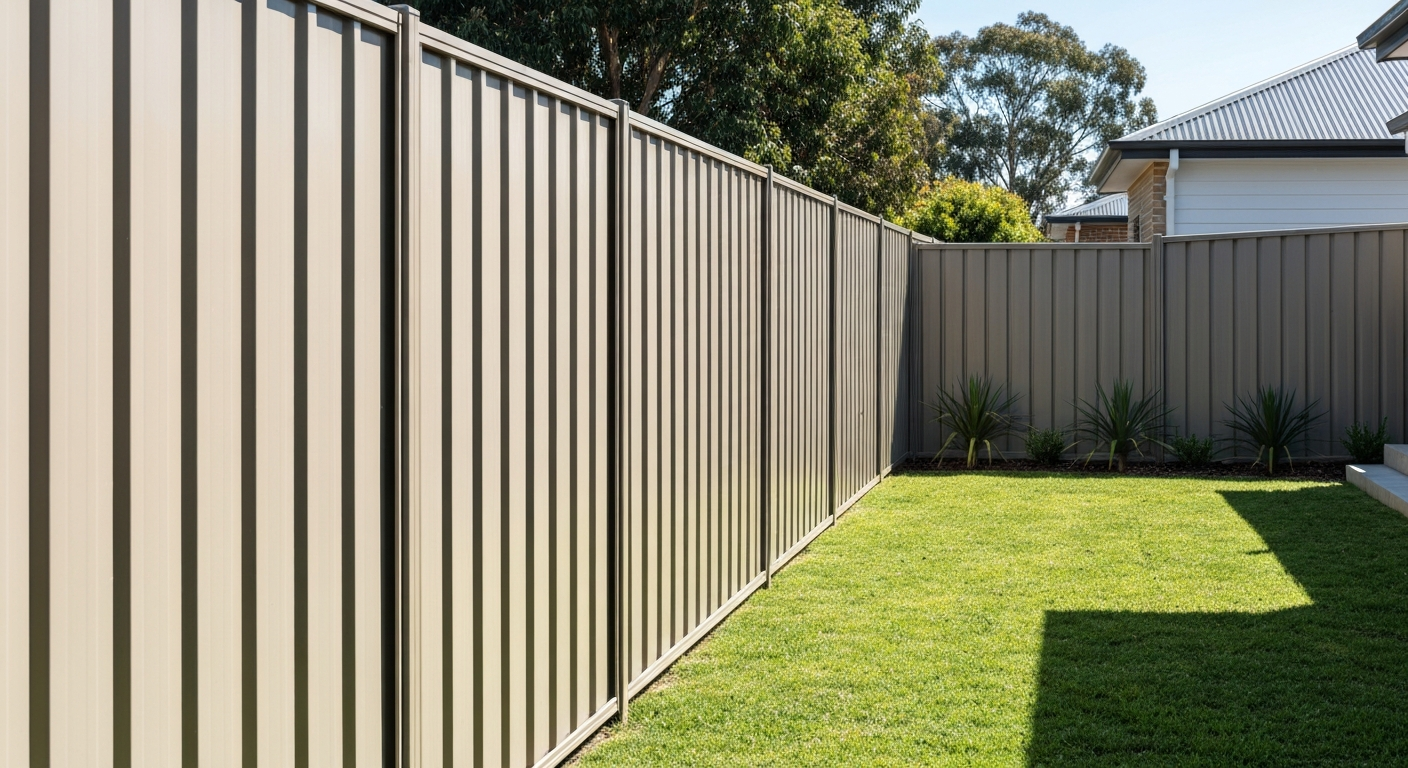
If the fence looks blotchy while it is still drying, it could work out as it cures, but extreme disproportion is normally a prep or product application concern, not something that magically boosts after the fact. A good professional will certainly show you a test patch early if they assume the fencing might require added attention.
Choosing the best contractor in Melbourne
Because this is an outside job, you are not simply getting the paint. You are buying procedure technique and product expertise. The most essential point to try to find is somebody who values preparation, communicates about weather condition, and can clarify their product selections without getting defensive.
If you are contrasting fence companies Melbourne, take into consideration how they handle your fence during the site visit. Are they asking concerns concerning existing finishings? Are they worried about cleansing mould and bond? Do they discuss drying out time honestly, or do they treat it like an afterthought?
Also take into consideration whether they execute the work in a neat, safeguarded method. Discoloration can be unpleasant, however an expert crew handles it. They must secure neighboring landscaping and ensure clean-up is detailed, particularly near paving, plants, and yard beds.
Finally, focus on just how they speak about maintenance. If they imitate you never ever require to do anything once more, you could be in for a shock later on. A great finish does finest with straightforward follow-up treatment, and a professional ought to be able to inform you what that treatment appears like in useful terms.
What to anticipate in the days after staining
Once the fence is completed, there is generally a brief "working out" duration while the layer remedies and the surface reaches its final appearance. You might discover the colour looks a little deeper right after application, after that ends up being more uniform as it treatments. That is typical, but it should still look also and consistent overall.
Avoid call for a short period, keep animals and youngsters far from newly completed areas, and examine the weather. If rainfall strikes quickly after coating, you desire the specialist to verify the product system's resilience and whether any kind of touch-up is needed. Sometimes you can prevent any kind of issues with excellent timing, however sometimes you need a strategy if problems shift.
If you do notice little locations that look lighter or uneven, do not immediately assume failing. Ask the service provider to assess the location face to face. Good handiwork occasionally reveals a mismatch that can be corrected with targeted re-coating. The earlier you attend to these concerns, the less you run the risk of having to redesign a bigger area later.
A sensible means to make a decision if discoloration and sealing is appropriate for you
Staining and sealing is generally worth it when your fence has colour loss, irregular weathering, or surface area dryness that makes the lumber look tired. It is less rewarding if the fencing remains in really inadequate architectural condition, due to the fact that you will certainly require repair services first for a long-term outcome.
The simplest decision process is to treat your fencing like a system, not a cosmetic project. If the boards are solid, the surface area can be cleaned up and prepared, and you can commit to maintenance, staining and securing can supply real outcomes. If there are comprehensive divides, considerable rot, or prevalent failing of older finishes, you could need a mix strategy, including repair work and discerning replacement.
That is why an appropriate assessment matters. It assists you stay clear of the "paint over it" technique that can look helpful for a short time but disappoint later.
Your next step
If you are preparing a fence revitalize in Melbourne, start by getting a proper quote that clearly explains preparation, item type, application technique, and weather condition handling. If a professional is unclear about those things, you may wind up spending for a coating that does not hold up to Melbourne's mix of sunlight and rain.
And if you have actually been looking for fence companies Melbourne, utilize that as a shortlist, not a decision. The very best choice is the one that can walk you through your fencing's problem and match the layer system to it, with realistic assumptions for appearance and maintenance.